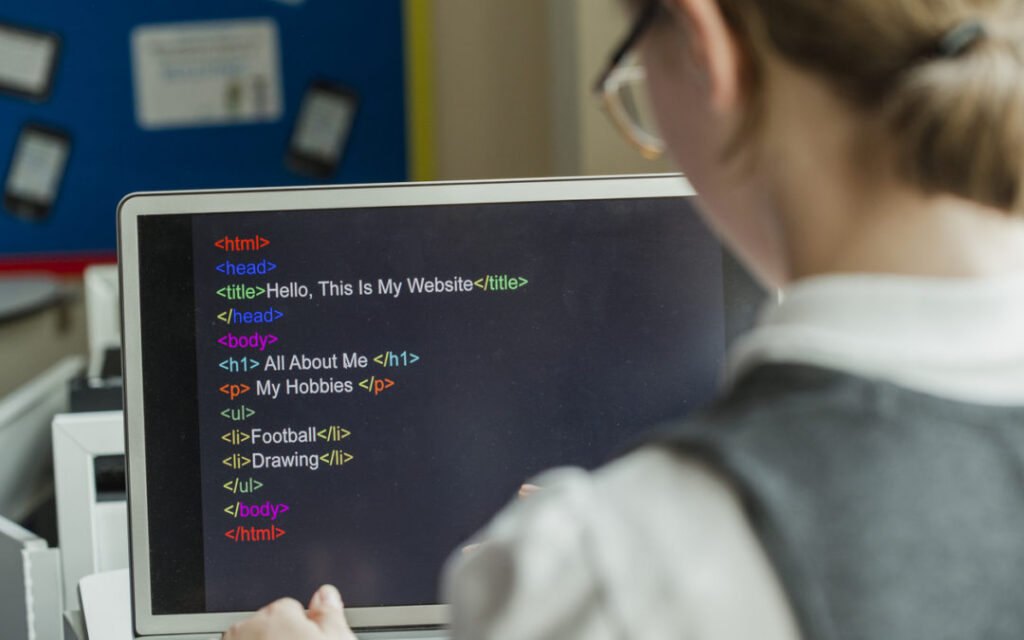
In today’s digital world, websites play a crucial role in communication, business, education, and entertainment. Every website you visit—whether it’s a blog, an e-commerce platform, or a social media site—is built using core web technologies. One of the most important and foundational technologies among them is HTML. This blog explains what HTML is and why it is essential in website development. What Is HTML? HTML stands for HyperText Markup Language. It is the standard language used to create the structure of web pages. HTML is not a programming language; instead, it is a markup language that tells the browser how to display content on a webpage. HTML uses tags to define elements such as headings, paragraphs, images, links, tables, forms, and more. These tags help browsers like Google Chrome, Firefox, or Edge understand what each piece of content is and how it should be shown to users. For example: Without HTML, a website would have no structure and no readable content. Why Is HTML Important? HTML is the backbone of every website. No matter how advanced or dynamic a website is, it always starts with HTML. Even modern frameworks like React, Angular, or Vue ultimately generate HTML that the browser can read. Here are some key reasons why HTML is important: Role of HTML in Website Development HTML plays a central role in website development by working together with other technologies like CSS and JavaScript. 1. Content Creation HTML is used to add all the content to a website, such as text, images, videos, forms, and links. It ensures that information is displayed correctly to users. 2. Page Structure and Layout HTML provides the skeleton of a webpage. Elements like <header>, <nav>, <section>, <article>, and <footer> define how the page is organized. 3. Linking Pages Together HTML allows developers to connect multiple web pages using hyperlinks. This creates smooth navigation across a website. 4. Integration with CSS While HTML structures the content, CSS (Cascading Style Sheets) is used to design it. HTML and CSS together make websites visually appealing. 5. Interaction with JavaScript HTML elements are used by JavaScript to create dynamic and interactive features like pop-ups, form validation, sliders, and animations. HTML in Modern Web Development Even with advanced tools and frameworks, HTML remains essential. Technologies may evolve, but HTML continues to be the foundation. Responsive design, mobile-friendly layouts, and accessible websites all rely heavily on well-written HTML. HTML also plays an important role in: Conclusion HTML is the starting point of website development and the foundation of the web. It defines the structure, content, and basic functionality of a website. Whether you want to become a web developer, software engineer, or digital marketer, understanding HTML is a must. In simple words, HTML gives shape and meaning to the web. Without it, websites would not exist. Learning HTML is the first and most important step toward building a successful career in web development. What Is HTML and What Is Its Role in Website Development? In today’s digital world, websites play a crucial role in communication, business, education, and entertainment. Every website you visit—whether it’s a blog, an e-commerce platform, or a social media site—is built using core web technologies. One of the most important and foundational technologies among them is HTML. This blog explains what HTML is and why it is essential in website development. What Is HTML? HTML stands for HyperText Markup Language. It is the standard language used to create the structure of web pages. HTML is not a programming language; instead, it is a markup language that tells the browser how to display content on a webpage. HTML uses tags to define elements such as headings, paragraphs, images, links, tables, forms, and more. These tags help browsers like Google Chrome, Firefox, or Edge understand what each piece of content is and how it should be shown to users. For example: Without HTML, a website would have no structure and no readable content. Why Is HTML Important? HTML is the backbone of every website. No matter how advanced or dynamic a website is, it always starts with HTML. Even modern frameworks like React, Angular, or Vue ultimately generate HTML that the browser can read. Here are some key reasons why HTML is important: Role of HTML in Website Development HTML plays a central role in website development by working together with other technologies like CSS and JavaScript. 1. Content Creation HTML is used to add all the content to a website, such as text, images, videos, forms, and links. It ensures that information is displayed correctly to users. 2. Page Structure and Layout HTML provides the skeleton of a webpage. Elements like <header>, <nav>, <section>, <article>, and <footer> define how the page is organized. 3. Linking Pages Together HTML allows developers to connect multiple web pages using hyperlinks. This creates smooth navigation across a website. 4. Integration with CSS While HTML structures the content, CSS (Cascading Style Sheets) is used to design it. HTML and CSS together make websites visually appealing. 5. Interaction with JavaScript HTML elements are used by JavaScript to create dynamic and interactive features like pop-ups, form validation, sliders, and animations. HTML in Modern Web Development Even with advanced tools and frameworks, HTML remains essential. Technologies may evolve, but HTML continues to be the foundation. Responsive design, mobile-friendly layouts, and accessible websites all rely heavily on well-written HTML. HTML also plays an important role in: Conclusion HTML is the starting point of website development and the foundation of the web. It defines the structure, content, and basic functionality of a website. Whether you want to become a web developer, software engineer, or digital marketer, understanding HTML is a must. In simple words, HTML gives shape and meaning to the web. Without it, websites would not exist. Learning HTML is the first and most important step toward building a successful career in web development.