In today’s digitally driven world, web and mobile development have emerged as powerful tools for student emancipation—enabling learners to gain financial independence, creative freedom, and global opportunities. Unlike traditional career paths that often require expensive degrees or rigid structures, digital development offers students a skill-based, merit-driven ecosystem where innovation and dedication matter more than background.
The Digital Shift in Education
The rise of online learning platforms such as Emancipation has transformed how students acquire technical skills. Today, a student with a laptop and internet connection can access world-class programming education from anywhere in the world. This accessibility removes financial and geographical barriers, empowering students from underserved communities to compete on a global scale.
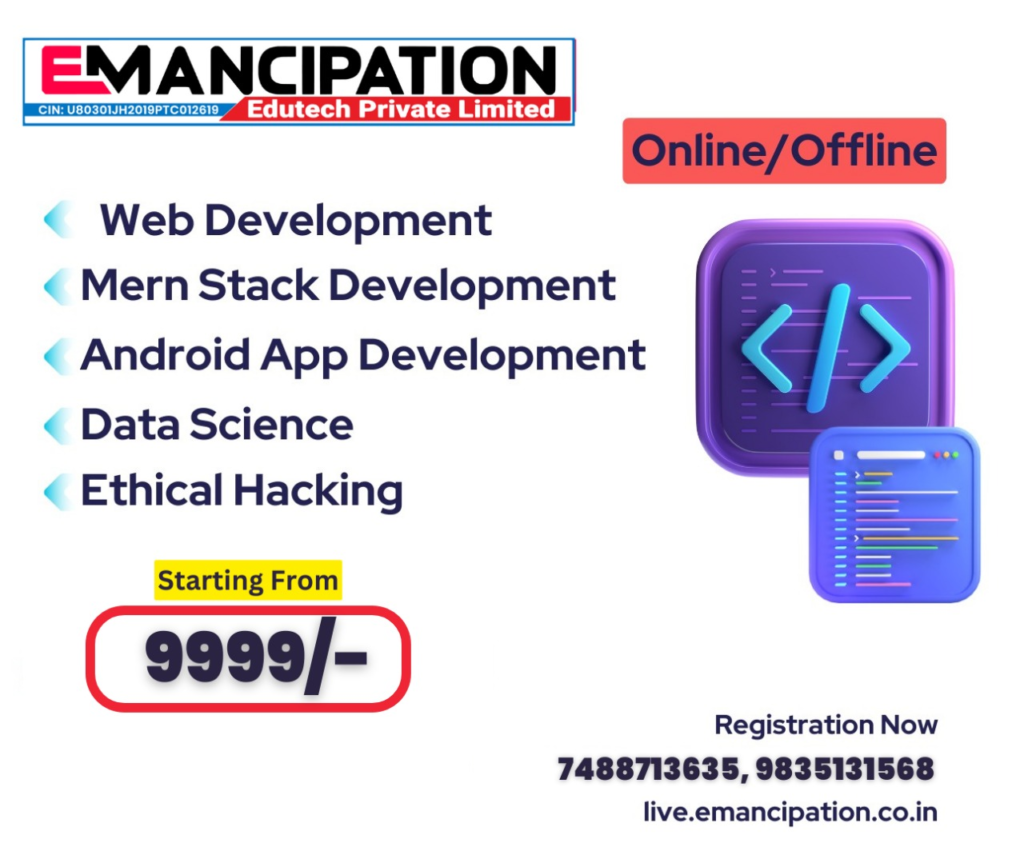
Web development focuses on building websites and web applications, while mobile development centers on creating applications for smartphones and tablets. Together, these fields dominate the digital economy, powering everything from e-commerce platforms to social networking apps.
Financial Independence Through Skills
One of the strongest aspects of student emancipation is financial freedom. With skills in technologies such as HTML, CSS, JavaScript, and frameworks like React and Flutter, students can start freelancing, building projects, or even launching startups while still studying.
Freelance platforms and remote job markets have made it possible for students to earn income without waiting to graduate. A student developer can build websites for local businesses, create mobile apps for startups, or contribute to open-source projects. This real-world exposure not only generates income but also builds confidence and professional credibility.
Creative Expression and Innovation
Web and mobile development provide students with a canvas for creativity. Unlike many academic disciplines that focus primarily on theory, development encourages practical application. Students can turn their ideas into functioning products—whether it’s a campus event app, a student budgeting tool, or an online learning portal.
Consider how platforms like GitHub allow students to showcase their work publicly. By contributing to repositories and collaborating on projects, students build portfolios that demonstrate tangible skills. This open ecosystem fosters innovation and peer learning, reducing dependency on traditional gatekeepers of opportunity.
Global Opportunities and Remote Work
The digital nature of web and mobile development dissolves borders. A student in Africa, Asia, or South America can work for companies based in Europe or North America. Companies such as Google, Microsoft, and Shopify regularly hire remote developers or offer internships that value skill over location.
This globalization of work means students are no longer confined to local job markets. They can participate in hackathons, coding competitions, and virtual internships. Exposure to global standards enhances their technical proficiency and cultural awareness, preparing them for leadership roles in the digital economy.
Entrepreneurial Empowerment
Beyond employment, web and mobile development empower students to become entrepreneurs. With minimal startup costs, students can build SaaS platforms, e-commerce websites, or mobile applications targeting niche markets. Many successful startups began as student projects.
For example, social media giants like Facebook started as a student initiative. While not every project reaches that scale, the principle remains powerful: development skills enable students to solve problems independently and monetize their solutions.
Entrepreneurship fosters critical thinking, resilience, and strategic planning—qualities essential for true emancipation. Instead of relying solely on employment opportunities, students can create jobs for themselves and others.
Building Confidence and Problem-Solving Skills
Coding teaches logical thinking and structured problem-solving. Debugging an application or designing a responsive interface strengthens analytical abilities that extend beyond programming. Students become proactive learners, capable of researching solutions and adapting to new technologies.
Communities such as Stack Overflow provide collaborative environments where learners seek help, share knowledge, and refine their expertise. This culture of continuous learning ensures that students remain adaptable in a rapidly evolving tech landscape.
Challenges and the Way Forward
While web and mobile development offer immense opportunities, challenges remain. Access to reliable internet, mentorship, and updated devices can still be barriers for some students. Moreover, the fast pace of technological change requires constant learning.
Educational institutions can support student emancipation by integrating practical development courses into curricula, partnering with tech companies, and promoting innovation hubs. Governments and NGOs can contribute by investing in digital infrastructure and coding bootcamps.
Web and mobile development represent more than just technical skills—they symbolize empowerment. They allow students to break financial constraints, express creativity, connect globally, and build sustainable careers. In an era where digital presence defines success, mastering development is not merely an academic pursuit but a pathway to independence.
Student emancipation in the 21st century is increasingly digital. Through web and mobile development, learners are not just preparing for the future—they are actively shaping it.

For More Information and Updates, Connect With Us
- Name :Sumit singh
- Phone Number: +91-9835131568
- Email ID: emancipationedutech@gmail.com
- Our Platforms:
- Digilearn Cloud
- EEPL Test
- Live Emancipation
- Follow Us on Social Media:
- Instagram – EEPL Classroom
- Facebook – EEPL Classroom
Stay connected and keep learning with Emancipation!